


Contact Lenses and care
Tell Me about Silicone Hydrogel
5 mins read

To understand why, here’s a short history lesson.
The idea of the contact lens was dreamed up by Leonardo da Vinci in the 16th century (he seems to have thought of everything). However, it took until the 1880s—when glass contacts lenses were conceived – to turn the idea into a reality.
By the late 1940s, plastic contact lenses had arrived! But due to the limitations of technology of the time, these rigid lenses couldn’t be worn for long.
The true ancestor of today’s contact lenses was invented in the late 1950s, using hydrophilic (‘water-loving’) hydrogel soft contact lens material. The first contact lenses of this type were launched commercially in the early 1970s. Gas permeable rigid contact lenses soon followed, combining the smaller hard structures of the late 1940s with breathability.
Naturally, people loved these contact lenses for the freedoms they introduced, but often forgot to clean, disinfect and store them properly, or take them out at night. Overuse and other unhealthy practices led to red, tired or (at worse) damaged eyes.
Today, science has taken contact lens wear to a new level of comfort and safety. As a result, the rise of the modern soft contact lens in recent decades has revolutionized people’s lives.
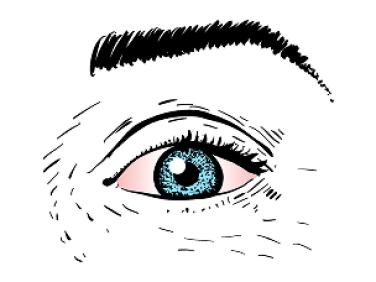
The key has been the development of water-loving hydrogel contact lenses since the 1970s. These combine moulded plastic and water, to create a precise hydrogel contact lens, highly compatible with the human eye. Even for people with sensitive or dry eyes, they’re a great contact lens choice—soft, comfortable and safe.
However, nothing in life is perfect. A hydrogel lens’ water content can reduce if you don’t blink enough, or find yourself in a dry, windy environment. The lens surface may also dry out after a whole day’s use. In such cases, hydrogel contact lenses can become less comfortable to wear. But thankfully there’s a more recent soft lens which gets even better. Interested? Then read on…
The more advanced 21st-century alternatives (invented in 1998) are contact lenses made from silicone hydrogel. These work in exactly the same way as their hydrogel cousins, but add the benefits of silicone, increasing oxygen permeability. This allows more air - and hence oxygen—to pass through the contact lens.
In fact, these clever inventions allow around five times more oxygen to reach the cornea than a standard hydrogel soft lens, keeping your eyes healthy and comfortable even when you wear contacts for a whole day. And because these silicone hydrogel contact lenses retain water, they stay particularly soft and flexible throughout the entire period.§
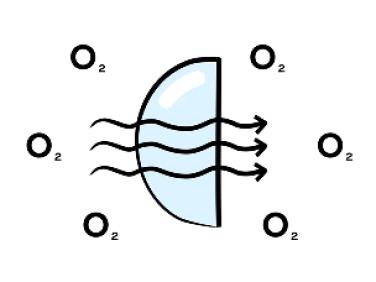
This oxygenation is important. If the flow of air and the film of tears around your eyes is restricted, it can result in signs and symptoms of hypoxia, caused by insufficient oxygen supply. The cornea itself contains no blood vessels (they would impair optical transparency), so its most important oxygen supply comes directly from the atmosphere, via the tear film covering your eye.
A reduction in oxygen supply and consequent hypoxia might give you blurry vision—caused by a swollen cornea—or worse, if oxygen is absent or restricted for a long period. It can also lead to red eyes, as engorged blood vessels try to deliver oxygen to your cornea. Blood vessels may start growing towards your pupils, attempting to replenish oxygen-deprived areas: this is not reversible. Your eyes could become more easily infected or otherwise permanently damaged.
Wearing a silicone hydrogel lens is a great way to enjoy contact lenses without risking such unpleasant issues. You can continue wearing them for longer hours than hydrogel contact lenses, while minimizing risk of issues. This makes them particularly popular with people who enjoy active lives, have dry eyes, or who spend their days in front of digital devices and screens.
Silicone hydrogel materials are used to make all types of contact lens, from super-soft daily disposables to more robust monthlies. Silicone—which enables flexibility—is also used in modern gas permeable [LINK TO ARTICLE: Are Gas Permeables a Good Idea?] contact lenses. It has also enabled extended wear lenses, worn for weeks or even a month at a time.
Are there any problems associated with this smart material?
Well, silicone hydrogel contact lenses are slightly more expensive than hydrogel equivalents. They also tend to collect more lipid (fat) deposits than other contact lenses, making monthlies harder to keep clean.

If you are prone to dry eyes, silicone hydrogel technology lenses will outperform their hydrogel counterparts. As with any physical barrier, there will still be a limit on the amount of time you can wear lenses comfortably. However, before recommitting to glasses, you may find that using silicone hydrogel monthlies with a specially formulated contact lens cleaning solution could solve the problem, helping your eyes stay fully hydrated, safe and comfortable.
Choosing between hydrogel and silicone hydrogel is, like so many choices for contact lens wearers, as much about personal needs and wants as science. What works best for one person may not work for another. Fortunately, there are answers to every need.
Some contact lens brands offer advanced silicone hydrogel material eye technology to those with short sightedness (myopia) and long sightedness (hyperopia), as well as lenses for astigmatism sufferers and presbyopes wanting multifocal lenses. It is also a great choice for those wanting to change their eye color (with or without a need for vision correction).
Silicone hydrogel has taken contact lenses into a new era of comfort and safety, creating tiny miracles of vision enhancement.
For almost any visual correction or cosmetic need, choosing to wear silicone hydrogel lenses can turn each day into a clearly focused delight.
It really is a life-changing material!
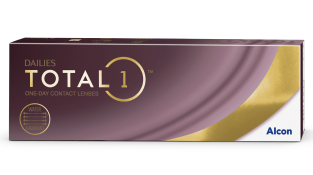
DAILIES TOTAL1™
With only a cushion of moisture touching the eye, it’s the contact lens that feels like nothing.1
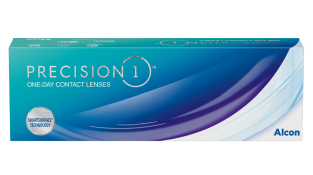
PRECISION1™
Precise vision and dependable comfort2 in an easy-to-wear, easy-to-love daily disposable contact lens.
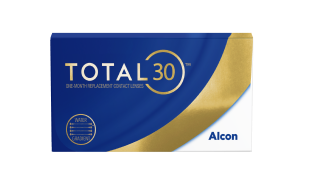
TOTAL30™
The first and only monthly replacement Water Gradient contact lenses, so comfortable they feel like nothing, even at day 30.3
REFERENCES
Consult your eye care professional for wear, care, precautions, warnings, contraindications and adverse effects.
Ask your eye care professional for complete wear, care and safety information. 
©2024 Alcon US-VC-2400085

